
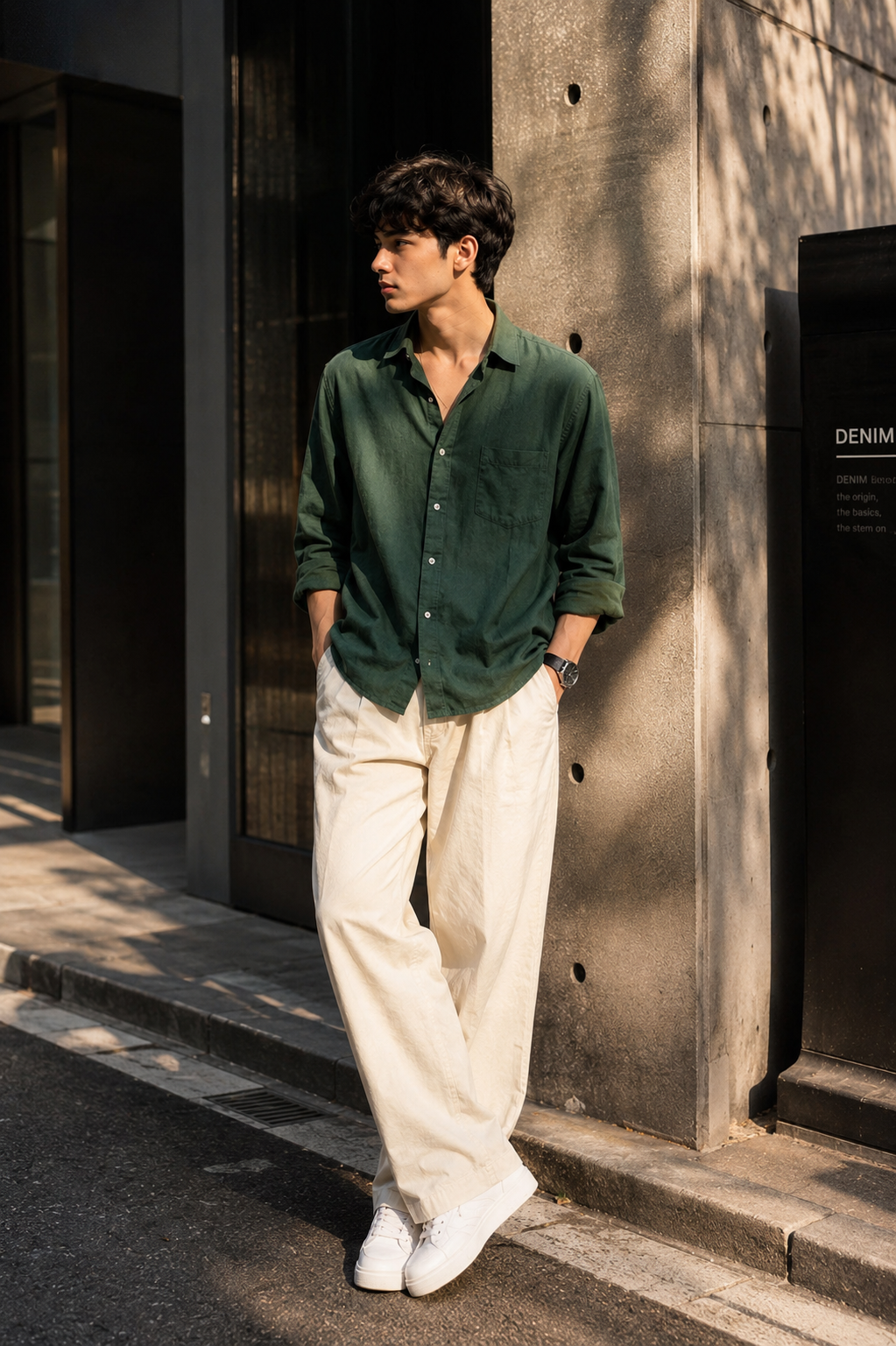
Fashion photography does more than make clothing look attractive. On brandownerdetail.com, visual presentation can be considered as part of the wider fashion experience. Images help shoppers understand color, proportion, styling, and even the mood surrounding a collection. Because many clothing discoveries now happen through screens, the photograph often becomes the first real contact between a person and a fashion item.
Lighting Reveals Fabric Character
Lighting can change the way fabric appears in photographs. Soft lighting may show texture gently, while stronger directional light can make folds and surface details more noticeable. Very bright lighting can sometimes flatten the appearance of material, making two different fabrics look strangely similar. Darker settings can create atmosphere, but they may also hide useful garment details. Good fashion photography therefore needs some balance between visual appeal and honest presentation. Shoppers benefit when images provide enough light to understand the clothing without making the material look completely different from real life.
Backgrounds Affect Product Focus
The background surrounding clothing can influence what viewers notice first. A simple background usually keeps attention on the garment, while a detailed location can create a stronger lifestyle feeling. Neither approach is automatically better because different fashion collections need different visual settings. Casual clothing may work naturally in everyday surroundings, while formal pieces can appear stronger in cleaner spaces. The important part is keeping the garment understandable. If the background becomes more noticeable than the clothing itself, viewers may remember the photograph but remain uncertain about the actual product.
Styling Creates Visual Direction
Styling gives photographs a sense of direction by showing how individual pieces might work together. A plain shirt can appear very different when paired with wide trousers, tailored pants, layered outerwear, or simple accessories. These combinations can give shoppers practical ideas without requiring every piece to be purchased. Styling should still leave the main garment visible because excessive layering can hide important details. Strong visual styling gives context while allowing the clothing to remain the central subject throughout the image.
Models Provide Useful Scale
Seeing clothing on a person gives viewers information that flat product images cannot always provide. Body position, garment length, sleeve placement, and overall proportions become easier to understand when someone is actually wearing the piece. Different poses can also reveal how fabric behaves during movement instead of only showing one still position. Model photography should not be treated as an exact prediction for every customer because body proportions vary widely. Still, realistic images can provide helpful context when shoppers are trying to imagine how a garment might sit in ordinary use.
Movement Shows Fabric Behavior
Some clothing looks impressive while standing still but behaves very differently during movement. Photographs taken while walking, sitting, turning, or adjusting an outfit can show how fabric responds to natural motion. Flowing materials may reveal movement through folds, while structured fabrics may keep their shape more firmly. This information is especially useful for loose garments, layered clothing, and unusual cuts. A few natural positions can reveal much more about how the garment behaves beyond a static pose.
Color Accuracy Deserves Attention
Color can be one of the hardest parts of online fashion presentation because screens do not always display shades identically. Camera settings, lighting conditions, editing, and individual screen brightness can all influence what viewers see. A garment described as deep blue may appear slightly different under different conditions, especially when the material reflects light strongly. Clear product photography should aim for consistency rather than dramatic color changes. Multiple images under controlled lighting can also help shoppers understand the main shade more realistically before making their decision.
Closeups Reveal Small Details
Full outfit photographs provide overall context, but closeup images help explain construction and surface details. A closer view can show stitching, buttons, fabric texture, embroidery, patterns, or fastening areas that disappear in wider photographs. These images are particularly useful when a garment has a distinctive feature that helps justify its design. Closeups should remain clear without becoming heavily edited. When viewers can inspect details through their screens, they have more information available before purchasing, which can make the product description feel more believable and complete.
Consistency Builds Brand Recognition
A fashion label becomes easier to recognize when its photography has some consistent visual character. Similar lighting approaches, framing choices, backgrounds, or editing styles can make separate collections feel connected. Consistency does not mean every photograph needs to look identical. Small changes can keep a collection fresh while maintaining a recognizable visual direction. This matters for smaller labels because repeated visual cues can help customers remember them after seeing many different products across crowded online spaces. Photography therefore becomes part of brand communication, not simply decoration placed around clothing.
Social Images Need Different Thinking
Images made for social platforms often compete with many other photographs within seconds. A fashion image may need stronger composition and a clear subject because viewers are quickly scrolling through mixed content. However, attention should not come only from excessive effects or complicated editing. Interesting framing, unusual combinations, movement, or recognizable styling can create enough visual interest naturally. Social photography can also show clothing in less formal situations, giving people a better idea of how pieces might appear outside a traditional product page.
Seasonal Photos Change Perception
The same clothing can create different impressions depending on the season shown in photographs. Light fabrics photographed in bright outdoor settings can suggest warmer conditions, while layered garments presented in cooler surroundings may communicate a different practical purpose. Seasonal styling helps viewers understand when and where certain pieces might fit naturally into their wardrobes. It can also influence expectations about color, texture, and layering. Fashion photography does not need to follow every seasonal visual trend, but the surrounding environment should make sense for the clothing being presented.
Honest Images Support Better Choices
Fashion photography works best when visual appeal and useful information exist together. Attractive photographs can create interest, but honest images help people decide whether a garment actually suits their needs. Showing realistic texture, accurate color, natural proportions, and useful details gives shoppers more confidence before making a purchase. This approach also reduces the gap between expectation and reality after delivery. Strong fashion imagery is not simply about making clothing look perfect. It is about presenting the garment clearly enough that viewers can understand what they are actually considering.
Conclusion
Fashion photography has become an important part of how people discover and understand clothing before buying it. brandownerdetail.com can naturally fit into this discussion by highlighting the relationship between visual presentation, personal style, and practical fashion decisions. Lighting, backgrounds, styling, movement, closeups, and realistic colors all influence how garments are perceived through a screen. Good photography does not need to make every item look dramatic or flawless. It needs to show the clothing clearly, create useful context, and give viewers enough information to make their own judgment. When photographs achieve that balance, they become a useful part of fashion rather than simply attractive decoration.
Read also :-