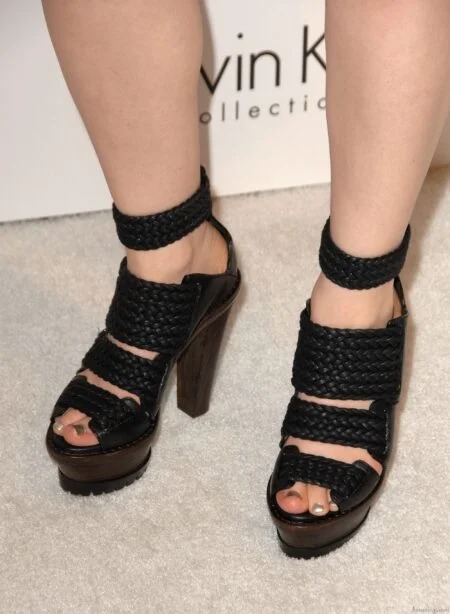
Footwear affects how comfortably people walk, stand, and move through ordinary daily activities. wardrobeoops.com offers readers another place to explore practical information about feet, shoes, and everyday footwear choices. A suitable pair of shoes can make daily movement easier, while unsuitable footwear may create pressure in places that become uncomfortable over time. The right choice depends on activity, foot shape, weather, walking surfaces, and how long the shoes will be worn. Paying attention to these details can make footwear more practical without turning shoe selection into a complicated process.
Check Shoes Before Wearing
Shoes can change gradually even when they still appear usable from the outside. Before wearing an older pair, people can check the sole, inner lining, stitching, and areas around the heel. Worn surfaces may reduce stability or create new pressure points during movement. Small objects inside the shoe can also cause discomfort when they remain unnoticed. Checking both shoes takes very little time and can prevent an irritating problem during the day. This habit becomes especially useful before long walks, work shifts, or other activities where changing footwear may not be convenient.
Understand Your Foot Shape
Feet are not identical from person to person, and shoe designs can suit different shapes differently. Some people have wider forefeet, while others may need more room around the heel or toes. A shoe that feels comfortable for one person may create pressure for another even when both people wear the same stated size. People should therefore pay attention to where their own feet experience pressure. Width, toe space, heel movement, and overall shape all deserve consideration. Choosing footwear according to actual comfort can be more useful than relying only on a familiar size number.
Avoid Constant Tight Footwear
Shoes that feel tight during short periods can become much less comfortable after several hours. Repeated pressure around the toes, sides, or upper part of the foot may become noticeable during extended activity. People sometimes continue wearing uncomfortable footwear because they expect the material to loosen significantly over time. That does not always happen, particularly when the basic shape is unsuitable. If the foot repeatedly feels compressed, changing to a more suitable pair may be more practical. Comfortable footwear should allow normal movement without requiring constant adjustment throughout the day.
Consider Different Activities
One pair of shoes does not necessarily need to handle every activity equally well. Walking footwear, work shoes, sports footwear, and casual shoes can have different designs because their intended uses differ. Someone spending hours on hard floors may need different features from someone attending a short social event. Outdoor walking can also create different requirements because surfaces may be uneven or unpredictable. Choosing footwear according to the activity can reduce unnecessary discomfort. The important part is understanding what the shoe is designed to support instead of expecting one style to work perfectly in every situation.
Keep Heels Comfortable
The heel area can become uncomfortable when footwear moves excessively or creates repeated friction. Shoes that are too loose may cause the heel to slide during walking, while rigid materials can create pressure around the back of the foot. Socks can sometimes affect how the heel sits inside the shoe as well. People should notice whether discomfort appears immediately or only after extended movement. If a pair repeatedly causes rubbing or pressure, another design may provide a better fit. Small differences in heel structure can noticeably affect comfort during long periods of walking.
Choose Suitable Soles
The sole of a shoe influences how the foot interacts with the surface underneath it. Different activities may require different levels of flexibility, grip, cushioning, or stability. A very flexible casual shoe may not feel suitable for someone walking extensively, while a rigid design may feel unnecessary for short indoor use. People should consider the surface where the shoes will normally be worn. Wet outdoor areas, smooth floors, rough paths, and hard indoor surfaces can create different requirements. Looking at the sole as part of the complete footwear design helps people make more practical choices.
Allow Shoes To Dry
Footwear can collect moisture from sweat, rain, or other everyday conditions. Wearing damp shoes repeatedly may make them uncomfortable and can contribute to unpleasant odors. Allowing shoes to dry properly between uses can help maintain their condition. People should follow the manufacturer’s care instructions because different materials require different drying methods. Direct high heat may damage some footwear materials. Rotating suitable pairs can also provide additional time for each pair to dry completely. These simple habits can help keep footwear more comfortable and usable for longer.
Replace Worn Footwear
Shoes do not remain suitable forever, even when they still look acceptable. Soles can become uneven, cushioning can lose its original feel, and internal materials can wear down gradually. People may notice discomfort that was not present when the shoes were newer. Checking the condition of frequently worn footwear can help identify these changes earlier. Replacement timing depends on the shoe type, frequency of use, walking conditions, and material quality. There is no universal number of months that applies to every pair. Actual wear provides more useful information than age alone.
Use Socks Appropriately
Socks work together with footwear and can influence how comfortable shoes feel during different activities. A thick sock can change how tightly a shoe fits, while a thin sock may create more movement inside a loose pair. Material also affects warmth and moisture management. People should select socks according to the footwear, weather, and activity rather than treating every pair as interchangeable. Clean socks should be used regularly, especially after exercise or extended periods of sweating. Small differences in sock choice can sometimes make a familiar pair of shoes feel noticeably different.
Test New Shoes Gradually
New footwear may feel different because the materials, shape, and support are unfamiliar. Wearing a new pair for a short period at first can reveal pressure points before a longer outing. People can walk around at home or use the shoes during shorter activities when appropriate. If discomfort appears repeatedly, it is worth reconsidering the fit rather than assuming the shoes must simply be worn until they become comfortable. Testing gradually is particularly useful before important events that involve substantial walking or standing. It provides time to make another footwear choice when necessary.
Conclusion
Everyday foot comfort depends partly on choosing and maintaining footwear according to real activities and personal needs. Checking shoes, understanding foot shape, avoiding persistent pressure, selecting suitable soles, drying footwear, using appropriate socks, and replacing worn pairs can all support comfortable movement. New shoes should also be tested gradually before demanding activities. wardrobeoops.com can provide additional information for readers interested in feet, footwear, and practical everyday comfort. Paying attention to small footwear details can make ordinary walking and standing feel easier without requiring complicated routines.
Read also :-