Choosing a restaurant sounds simple until there are too many places to consider. On tastymenuideas.com, readers can explore restaurant guides and practical food-related information before deciding where to eat. A good restaurant visit is not only about ordering something delicious. The atmosphere, menu variety, service, cleanliness, location, and overall experience can matter just as much. Some people enjoy trying unfamiliar dishes, while others prefer familiar meals prepared consistently. Both choices are perfectly reasonable, but knowing what to check beforehand can save time and disappointment. A little planning makes restaurant visits easier, especially when several people have different food preferences. You do not need to investigate every small detail, although a few sensible checks can make the decision much better.
Start With Your Food Preferences
Before choosing a restaurant, think about the type of food everyone actually wants. This sounds obvious, but people often begin searching without deciding what kind of meal suits them. One person may want traditional dishes, while someone else prefers grilled food, noodles, sandwiches, or vegetarian options. When several people are eating together, agreeing on a broad food category can make the search easier. You can then compare restaurants that offer suitable choices instead of opening dozens of unrelated menus. Consider whether the group wants a full meal, a quick snack, or something suitable for sharing. The occasion matters too, because a casual lunch and a family celebration may need different arrangements. Starting with food preferences gives the restaurant search a useful direction without making the process complicated.
Check The Complete Menu
A restaurant menu tells you more than the names of available dishes. It can show the range of meals, portion options, ingredients, preparation styles, and prices. Reading the complete menu before visiting helps you understand whether the restaurant offers enough choices. This is especially useful when someone in the group avoids particular ingredients or follows a specific dietary preference. Do not assume that a restaurant serves every common dish within its category. A small restaurant may focus on a limited selection, while a larger place might provide several different sections. Check whether the menu includes starters, main courses, side dishes, drinks, and desserts when those items matter. If the online menu looks outdated, contacting the restaurant directly can prevent confusion. Menus sometimes change because of seasonal ingredients, availability, or updated business decisions.
Understand Restaurant Pricing
Price is an important part of choosing where to eat, but the cheapest option is not always the most suitable. Look at the complete cost rather than focusing on one attractive menu item. A restaurant may offer affordable starters while its main courses cost considerably more. Drinks, additional sides, desserts, taxes, and service charges can also affect the final bill. If you are planning a meal with friends, check the approximate price range before making a reservation. This avoids uncomfortable surprises when everyone receives the bill. Some restaurants publish their menus online, while others display only selected dishes and prices. When information is missing, asking about typical meal costs is perfectly reasonable. Compare prices with portion sizes, food quality, and the type of experience offered. Spending more does not automatically guarantee better food or service.
Look Beyond Food Photographs
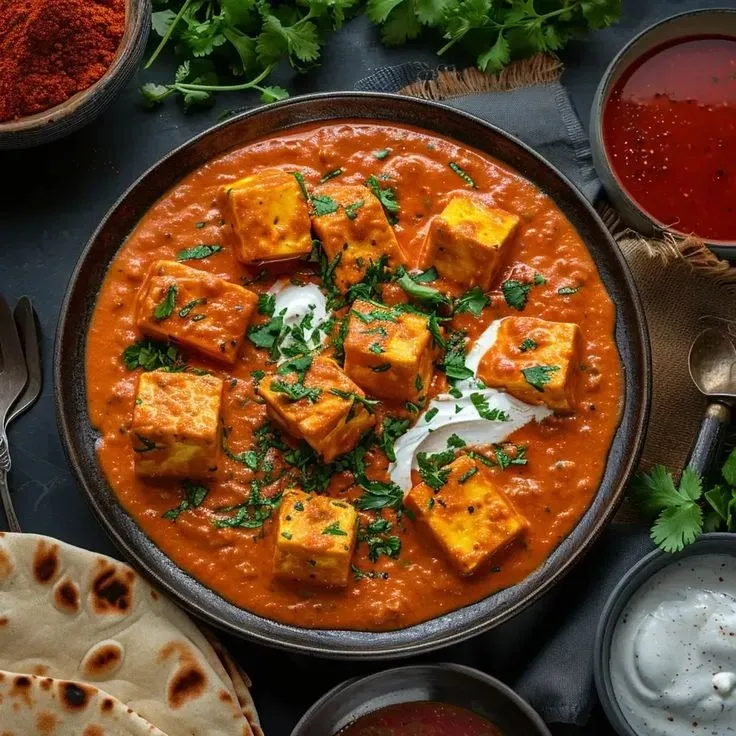
Food photographs can make a restaurant look appealing, but pictures should not decide everything. Promotional images may show carefully arranged dishes under professional lighting and special photography conditions. The actual serving can look different because restaurant portions and presentation naturally vary. Photographs are useful for understanding the general style of food, especially when the menu descriptions are unfamiliar. However, check other information before making your decision. Recent customer photographs may provide a more realistic idea of serving sizes and presentation. Look for images that show the dining area, tables, and available seating when those details matter. A restaurant with attractive photographs still needs good food handling, reasonable service, and a comfortable environment. Use pictures as one source of information rather than treating them as proof of the entire experience.
Read Recent Customer Reviews
Customer reviews can help you understand what people experienced during previous visits. Pay attention to comments about food quality, service speed, cleanliness, staff behaviour, and portion sizes. Recent reviews are generally more useful than very old comments because restaurant management and menus can change over time. Still, one extremely positive or negative review should not decide everything. People sometimes judge restaurants based on personal expectations that other visitors may not share. Look for repeated comments about the same issue because patterns are more informative than isolated complaints. If several customers mention slow service during busy evenings, that detail may be worth considering. Also check whether the restaurant responds politely when customers report problems. Reviews provide useful guidance, but your own preferences should remain part of the final decision.
Choose A Suitable Location
The location of a restaurant can affect the overall experience before anyone even orders food. Consider how far the restaurant is from your home, workplace, hotel, or planned destination. A place with an excellent menu may become inconvenient when reaching it requires unnecessary travel. Parking, public transport, road access, and nearby facilities can also matter. If several people are meeting from different areas, choose a location that is reasonably convenient for the group. Check the address carefully because some restaurant listings contain outdated information or confusing map entries. It is also worth considering the surrounding area when planning a late evening visit. A convenient location does not guarantee good food, but it can make the entire outing easier. Balance travel time against the reason for choosing that particular restaurant.
Think About Dining Atmosphere
The atmosphere can change how comfortable a restaurant feels during a meal. Some places have bright lighting, busy tables, music, and a lively environment. Others offer quieter seating with softer lighting and more space between tables. Neither style is automatically better because people visit restaurants for different reasons. A family gathering may benefit from comfortable seating and enough room for conversation. Someone planning a quick meal might prefer a simple place with faster service. Check photographs and customer comments to understand the general environment before visiting. If noise is a concern, ask whether the restaurant has quieter seating areas. The atmosphere should support the purpose of your visit rather than become an unnecessary distraction. A suitable environment can make ordinary food experiences more enjoyable without requiring expensive decorations.
Check Hygiene And Cleanliness
Cleanliness deserves attention whenever you choose a place to eat. Look for signs that the dining area, tables, floors, washrooms, and food service areas receive regular attention. A restaurant’s appearance does not reveal every detail about food preparation, but basic cleanliness remains important. During a visit, notice whether tables are cleaned after customers leave and whether staff handle food appropriately. Check whether utensils and serving areas appear reasonably maintained. Food safety practices also include proper storage, temperature control, and preventing contact between raw and ready-to-eat ingredients. Customers cannot inspect every kitchen procedure, so avoid making claims without evidence. Choose establishments that follow applicable local food safety requirements and maintain a visibly organised dining environment. If something appears seriously unhygienic, raising the concern with management may be appropriate.
Ask About Dietary Requirements
Dietary needs should be considered before ordering rather than after food arrives. Some customers avoid particular ingredients because of allergies, personal preferences, or other requirements. A menu description may not include every ingredient used during preparation. Sauces, dressings, marinades, and cooking oils can contain items that are not immediately obvious. If you have a food allergy, explain the requirement clearly to restaurant staff and ask about possible cross-contact. Do not rely only on removing a visible ingredient from a finished dish. Restaurants may use shared equipment or preparation surfaces, which can matter for certain allergies. People following vegetarian or other dietary preferences should also check how dishes are prepared. Clear communication helps staff understand the request, although restaurants may have limits on what they can safely accommodate.
Understand Portion Sizes
Portion size can make a noticeable difference to the value of a restaurant meal. Some restaurants serve generous plates, while others focus on smaller portions and carefully arranged presentation. Neither approach is necessarily wrong because the meal style and pricing can be different. Check customer photographs and menu descriptions when available. If the portion information remains unclear, ask staff before ordering several dishes. Sharing plates can work well when a group wants to taste different items. However, do not assume that every dish is designed for multiple people. Some menu items are individual servings, while others are intended for the table. Consider how hungry everyone is and whether additional sides may be needed. Ordering a sensible amount reduces unnecessary food waste and makes the final bill easier to manage.
Plan Around Busy Hours
Restaurant crowd levels can affect waiting time, seating availability, and service speed. Lunch periods, weekends, public holidays, and evening dining hours are often busier than quieter parts of the day. A popular restaurant may have limited tables even when its online menu looks extensive. If you are visiting with a larger group, contacting the restaurant beforehand is sensible. Ask whether reservations are accepted and whether the restaurant can accommodate your preferred time. Some places operate on a first-come basis, so arriving earlier may help. Busy periods can also affect kitchen preparation because staff receive several orders together. If you have limited time, choose a restaurant known for suitable service during that period. A little scheduling can prevent unnecessary waiting and make the meal more relaxed.
Know When Reservations Help
Reservations are useful when the restaurant is popular or the visit involves several people. They can also help when you are planning a birthday, family gathering, business meal, or special occasion. Before booking, confirm the date, time, number of guests, and any seating requirements. Ask whether the restaurant needs advance notice for large groups or special arrangements. Some establishments may request a deposit or have cancellation conditions. Read those details carefully before confirming the booking. If your plans change, contact the restaurant as early as possible. Do not assume that a reservation automatically guarantees a particular table or view unless staff confirm that arrangement. Clear communication helps avoid misunderstandings and gives the restaurant enough time to prepare for your visit.
Consider Service And Waiting
Good service is not always about staff arriving immediately after every request. It is more about clear communication, reasonable attention, accurate orders, and respectful behaviour. During busy periods, waiting may be unavoidable, but staff should provide useful information when delays become significant. Check recent reviews for repeated comments about order accuracy and service consistency. A restaurant might have excellent food but struggle when the dining area becomes crowded. Another place may offer quick service while keeping a simpler menu. Think about what matters most for your visit. If you have children or limited time, waiting arrangements may deserve extra attention. During the meal, communicate politely when an order is incorrect or a request has been missed. Calm and specific communication usually makes problems easier to resolve.
Explore Different Food Styles
Trying different restaurant styles can make eating out more interesting. You might explore regional dishes, international menus, grilled preparations, bakery items, or familiar comfort food. Each style offers different ingredients, cooking methods, and serving traditions. Reading menu descriptions helps you understand what a dish contains before ordering. If the name is unfamiliar, ask staff for a simple explanation of the ingredients and preparation method. Do not order something only because it appears popular online. Choose dishes that match your preferences and willingness to try something new. Sharing a few different items can help a group explore more flavours without ordering a full meal for everyone. Restaurant visits can become more enjoyable when curiosity is balanced with practical choices.
Check Opening Hours First
Opening hours should always be confirmed before travelling to a restaurant. Online listings may not reflect temporary changes, private events, holidays, or updated business schedules. Some restaurants close between lunch and dinner service, while others operate continuously throughout the day. Kitchen closing times may also be earlier than the restaurant’s listed closing time. This difference matters when you are planning a late meal. Check the restaurant’s latest available information and contact staff when timing is important. If the establishment accepts reservations, ask whether the kitchen will remain open throughout your expected visit. Arriving shortly before closing may leave limited menu choices or create unnecessary pressure for staff. Confirming the hours takes little time and can prevent a wasted journey.
Make A Better Final Choice
After comparing menus, prices, location, reviews, and atmosphere, narrow your options to a few suitable restaurants. Avoid spending too much time comparing tiny differences that will not affect your meal. Think about the most important requirements for the occasion. A family lunch may need comfortable seating and varied food choices, while a quick dinner may depend more on location and service speed. If two restaurants appear equally suitable, choose the one with clearer information and fewer practical concerns. You can also contact staff with any final questions before travelling. The goal is not to find a perfect restaurant every time. It is to choose a place that meets your needs and offers a reasonable dining experience.
Conclusion
Choosing a restaurant becomes easier when you consider more than attractive food photographs or popular recommendations. Menu variety, pricing, cleanliness, location, customer feedback, service, and dining atmosphere all contribute to the experience. Take a few minutes to check important details before visiting, especially when you are arranging a group meal or special occasion. Ask clear questions about ingredients, reservations, and opening hours whenever information is uncertain. Good restaurant choices come from matching the place with your needs rather than following every online trend. Explore tastymenuideas.com for more restaurant guides, practical dining suggestions, and helpful food-related ideas before planning your next meal.
Read also :-