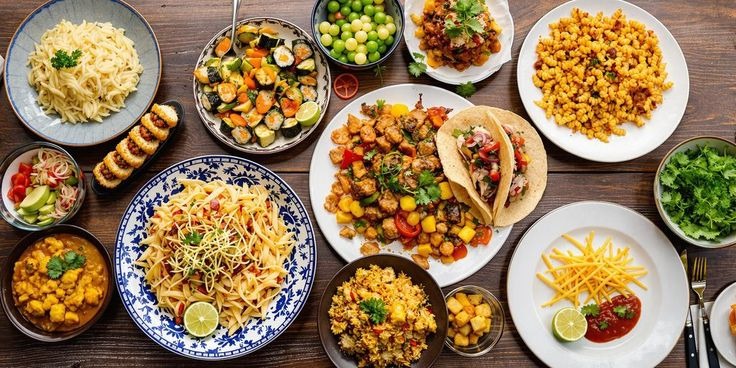
Good food does not always require complicated recipes or expensive ingredients. A practical food resource like bestmenuideas.com can help readers discover ideas that fit ordinary eating habits. Home meals become more enjoyable when taste, texture, freshness, and convenience are considered together. Many people already have enough basic ingredients but struggle to decide what to make. A little variety can change that without creating extra work every single day.
Start With Familiar Food
Familiar dishes can provide a useful starting point when planning meals. People generally know which flavors, textures, and ingredients they already enjoy eating. Instead of changing everything at once, small adjustments can make those dishes feel different. A familiar rice dish might use another vegetable, seasoning combination, or cooking method. This keeps food comfortable while still giving the meal some needed variety.
Think About Texture Too
Texture is often forgotten when people think about what makes food enjoyable. A meal containing only soft foods can feel less interesting after several bites. Adding something crisp, fresh, creamy, or slightly chewy can change the overall experience. Toasted ingredients, fresh vegetables, roasted seeds, or crunchy toppings can provide useful contrast. Texture does not require complicated cooking when suitable ingredients are already available.
Use Seasonal Ingredients Carefully
Seasonal ingredients can provide useful variety because their availability changes throughout different parts of the year. Fruits and vegetables often become easier to find during their natural growing periods. Their prices can also change depending on supply, location, and local demand. Buying seasonal produce may therefore help some households explore different ingredients without constantly purchasing unusual products. However, availability and value can vary considerably between different regions and markets.
Give Vegetables More Attention
Vegetables can become more appealing when they are prepared in different ways instead of being treated as one fixed side dish. Roasting can produce deeper flavors, while steaming keeps certain vegetables lighter and softer. Stir cooking can work well when several vegetables need to be combined quickly. Raw vegetables can provide freshness and crunch when added near the end of preparation. Different methods can make the same vegetable feel surprisingly different.
Improve Meals With Sauces
A simple sauce can completely change the character of an otherwise ordinary meal. Yogurt based mixtures, tomato sauces, chutneys, gravies, and herb based dressings offer many possibilities. Homemade sauces can also be adjusted according to preferred saltiness, acidity, spice, or thickness. Even a small amount can bring moisture and stronger flavor to plain grains or cooked vegetables. Keeping a few dependable sauce ideas available can make leftovers easier to reuse.
Pay Attention To Freshness
Freshness affects flavor, texture, smell, and the overall quality of many foods. Vegetables may become softer after extended storage, while herbs can lose their stronger aroma over time. Bread and other baked products can also change noticeably when stored incorrectly. Checking food before preparation helps people decide what should be used first. Proper storage can extend quality while also reducing the amount of food that eventually gets discarded.
Create Useful Food Combinations
Combining ingredients thoughtfully can make separate foods feel like one complete meal. Grains can pair with vegetables and protein sources, while salads can include grains, beans, cheese, or eggs. Soups can use leftover vegetables alongside grains or legumes without requiring an entirely new shopping list. Combining foods also helps households use ingredients before they become old. The best combinations are often based on what already exists inside the kitchen.
Keep Cooking Equipment Simple
Expensive kitchen equipment is not necessary for preparing many useful everyday meals. A reliable pan, cooking , knife, cutting board, storage containers, and basic utensils can handle numerous tasks. Additional appliances can certainly provide convenience when they suit someone’s cooking habits. However, owning more equipment does not automatically make meal preparation easier. Simple tools that people actually use regularly are often more practical than unused kitchen gadgets.
Make Food Look Appealing
Presentation can influence how people feel about a meal before they even start eating. Food does not need restaurant style decoration to look attractive and inviting. Different colors, visible textures, and sensible arrangement can make an ordinary plate appear more interesting. Fresh herbs, colorful vegetables, or a simple topping can sometimes improve appearance considerably. Taking a few extra seconds to arrange food neatly can change the eating experience.
Avoid Repeating The Same Meals
Eating the same meals repeatedly can eventually make even favorite foods feel less appealing. Variety does not require learning dozens of completely new recipes every week. Changing one part of a familiar meal can provide enough difference for many households. Different vegetables, seasonings, sauces, toppings, or cooking methods can create new combinations. Keeping a small collection of reliable meal ideas can prevent daily food decisions from becoming repetitive.
Use Leftovers In New Ways
Leftovers become more useful when they are treated as ingredients instead of unfinished meals. Cooked vegetables can become fillings, toppings, soup ingredients, or additions to grain based dishes. Extra cooked meat can work inside wraps, sandwiches, salads, or mixed rice dishes. Remaining sauces can also provide flavor for another meal when stored properly. This approach saves preparation time while helping households use food more completely.
Balance Convenience With Variety
Convenience matters because people cannot spend unlimited time preparing food every day. Quick meals can still contain several ingredients when some basic preparation has already been completed. Frozen produce, prepared grains, canned beans, and other suitable pantry foods can sometimes save considerable time. These convenient options can work alongside fresh ingredients rather than replacing them entirely. The practical goal is making regular meals manageable without allowing convenience to remove all variety.
Learn Through Small Experiments
Trying small changes is often easier than attempting a completely unfamiliar recipe immediately. Adding one new spice or vegetable can teach someone how different flavors work together. Changing the cooking temperature can also affect browning, texture, and moisture considerably. Keeping notes about successful combinations can gradually improve personal cooking knowledge. There is no need to make every experiment perfect because ordinary mistakes can also reveal useful information.
Conclusion
Enjoyable food usually comes from practical choices rather than complicated kitchen techniques. Familiar ingredients can become more interesting through different textures, sauces, vegetables, cooking methods, and simple presentation. Using leftovers creatively can save time while reducing unnecessary food waste around the household. Readers can explore additional food ideas through bestmenuideas.com while choosing options that match their own tastes, schedules, budgets, and available ingredients. A little variety can make regular home meals feel noticeably better without making everyday cooking difficult.
Read also :-