
Moving a student to college often involves more than packing suitcases and choosing a departure time. Bedding, clothes, electronics, books, and small household items can quickly fill a family vehicle. When the journey involves several hours of highway driving, vehicle condition and safe loading become important parts of the preparation.
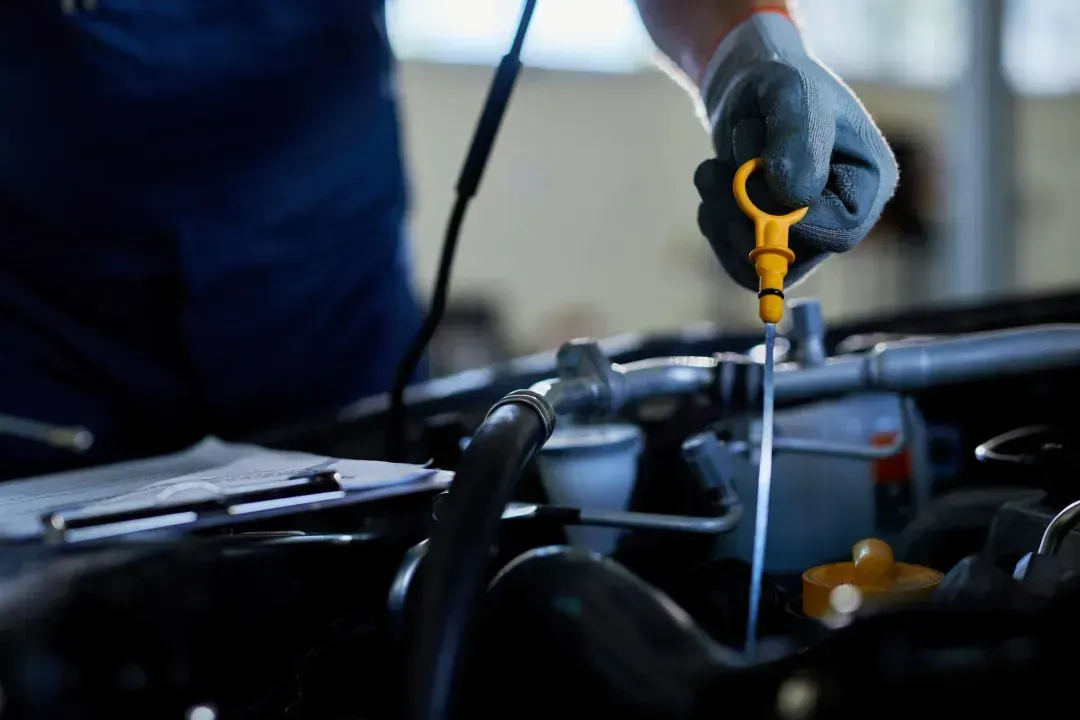
Families considering an oil change woodstock service before departure should review their vehicle’s actual maintenance needs rather than assume every road trip requires fresh oil. A practical pre-trip plan includes checking service records, understanding load limits, and identifying concerns that may affect the journey. Preparing early leaves more time to address problems without rushing.
Start With the Vehicle’s Load Capacity
A family car may have enough physical space for college belongings without being designed to carry unlimited weight. Passengers, luggage, and additional equipment all contribute to the vehicle’s total load. Owners should check the manufacturer’s specified payload and loading information before packing.
Heavy objects should be secured appropriately and positioned according to vehicle guidance. Loose belongings can become dangerous during sudden braking or a collision. Drivers should also preserve visibility through windows and avoid obstructing mirrors or essential controls. A second vehicle or shipping arrangement may be safer than overloading the family car.
Maintenance Should Follow the Service Schedule
Before a long journey, drivers can review when routine maintenance was last completed and whether any scheduled work is due. Engine oil requirements depend on the vehicle, driving conditions, and manufacturer recommendations. An upcoming service interval may justify arranging maintenance before departure, particularly when the trip will add substantial mileage.
However, replacing oil unnecessarily is not a substitute for checking other systems. Drivers should also consider whether warning lights, unusual noises, or changes in performance require professional assessment before traveling.
Tire Condition Matters With Additional Weight
Tires support the vehicle and its load, making their condition particularly important during a heavily packed journey. Drivers should check tire pressure when the tires are cold and follow the manufacturer’s recommendations for the expected load.
Tread condition, visible damage, and tire age may also require attention.
Useful pre-trip checks include:
-
Tire pressure: Follow the vehicle’s specified loading guidance.
-
Tread condition: Look for excessive or uneven wear.
-
Visible damage: Check for cuts, bulges, or other concerns.
-
Spare tire: Confirm availability and condition where equipped.
-
Warning indicators: Investigate tire-pressure alerts before departure.
A qualified technician can assess concerns that are not clear from a basic visual inspection.
Air Conditioning Supports Travel Comfort
A long summer journey can become uncomfortable when the vehicle’s climate-control system is not operating properly. Reduced cooling, unusual noises, or inconsistent airflow may indicate a problem requiring assessment. Families researching car ac repair woodstock should understand that poor cooling can have several possible causes.
A technician may need to inspect relevant components before recommending repairs. Adding refrigerant without diagnosing the system is not always appropriate. Cabin comfort matters during extended travel, but the air-conditioning system should be evaluated according to its actual condition rather than assumptions about the journey ahead.
Packing Should Preserve Everyday Access
A fully loaded car can make essential belongings difficult to reach. Items needed during the journey should remain accessible without requiring passengers to unpack the entire vehicle. Travel documents, medications, water, and other necessities should be organized according to household needs. However, loose objects should not be left unsecured in passenger areas.
Drivers should also avoid placing heavy belongings where they could interfere with seat belts, airbags, or passenger movement. A practical packing plan balances convenience with safe loading and appropriate occupant protection.
Plan Stops Around the Journey
Long-distance travel requires attention to driver fatigue, fuel availability, and changing road conditions. Families can review the route before departure and identify suitable places for breaks. Drivers should avoid continuing when tired or struggling to concentrate. Weather forecasts and road information may also influence departure timing, particularly during periods of heavy rain or extreme heat.
A flexible schedule allows time for unexpected delays without encouraging speeding or unsafe driving decisions. Arriving safely should remain more important than reaching campus at a particular hour.
Prepare for Unexpected Problems
Even a well-maintained vehicle can experience mechanical difficulties during a long journey. Families should know what assistance is available if a breakdown occurs. Emergency contacts, roadside assistance information, and relevant vehicle documents should be accessible. Drivers should also understand basic procedures for stopping safely when a warning light or unusual symptom appears.
Attempting repairs beside a busy highway can create serious hazards. When the vehicle cannot be operated safely, professional roadside assistance is generally preferable to continuing the journey.
Conclusion
A college move places different demands on a family vehicle because passengers, luggage, and long-distance travel must be considered together. Load limits, scheduled maintenance, tire condition, climate control, and safe packing all influence preparation. Families exploring automotive services through artofspeedga.com can use these considerations when planning a pre-trip assessment. No inspection can eliminate every possibility of a breakdown, but reviewing the vehicle’s condition and organizing the journey carefully can reduce avoidable difficulties. A practical plan helps families focus on the student’s next chapter without overlooking road safety.


