
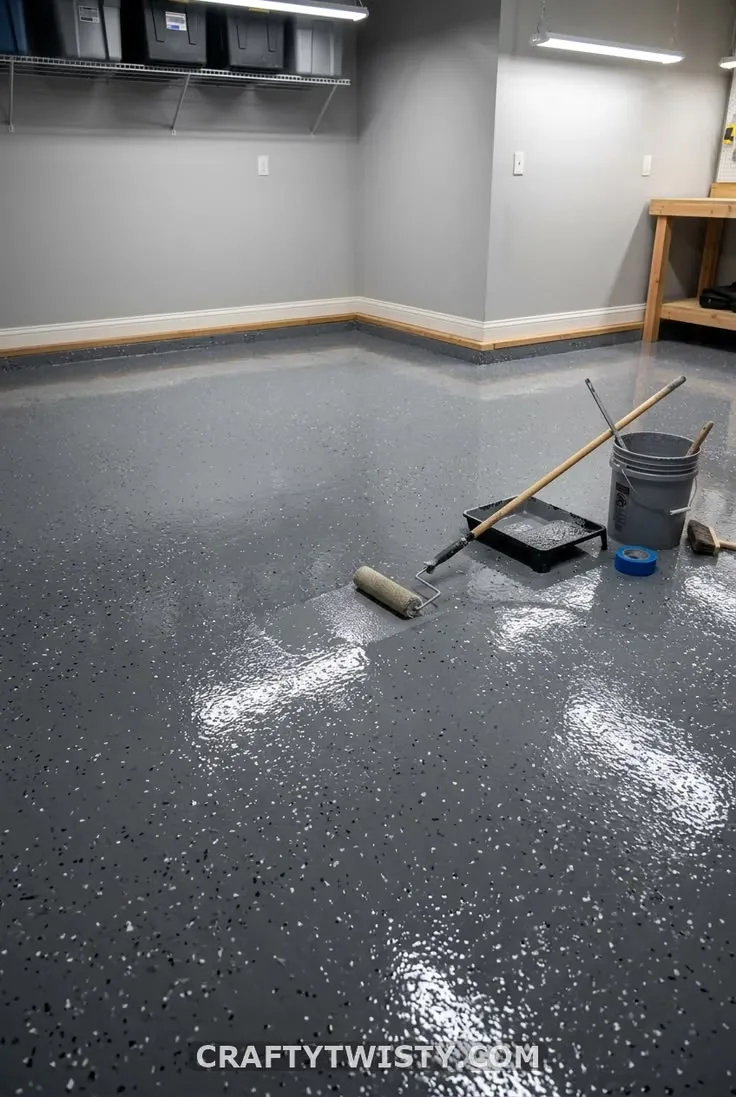
A garage may be a parking space in the morning and a workshop by afternoon. Vehicles bring in grit, bicycles lean against walls, and weekend projects expose concrete to tools and occasional spills. A suitable garage epoxy flooring system can make a properly prepared slab easier to clean while adding a more finished appearance. Yet the best choice depends on the garage’s actual uses, not just the colour of a showroom sample. Homeowners should consider traction, lighting, surface condition, and future storage plans before scheduling installation.
Start With the Activities You Actually Do
A household that parks two vehicles every day places different demands on its floor than someone using the space mainly for hobbies. Tyre movement, dropped tools, stored appliances, and occasional automotive fluids all influence the protective system required.
Sketch the garage layout and note the most frequently used areas. Include access to doors, electrical panels, and any equipment that cannot be moved easily. This makes installer discussions more productive.
Recognize Problems in Existing Concrete
Bare concrete can absorb oils and other liquids, and surface dust may settle on stored belongings. Existing coatings may also peel where preparation or moisture conditions were unsuitable. Look for cracks, worn patches, and stains before planning decorative improvements.
Some damage can be repaired during preparation, but recurring moisture or significant movement needs further assessment. Coating over the problem does not correct its cause. Discuss defects during the site visit.
Choose a Design That Fits the Space
Solid-colour systems offer a restrained appearance that complements storage cabinets and clean walls. Decorative flakes introduce colour variation and may make minor everyday marks less noticeable. Gloss and texture will also influence the final impression.
Study physical samples in the garage where possible. Daylight entering through an open door can change how colours look, while overhead fixtures may create reflections. Dramatic finishes may distract in workspaces.
Think About Traction and Everyday Safety
Garage surfaces can become wet when vehicles track in rainwater or someone washes equipment. A very smooth, glossy coating may not offer the traction needed in these conditions. Discuss suitable texture and any compatible traction additives with the installer.
Also consider footwear, exercise activities, and whether wheeled tool chests move across the room. More texture is not automatically better: heavily textured surfaces can demand additional cleaning. Aim for a practical balance.
Ask About Preparation, Not Just Appearance
A qualified epoxy flooring contractor should evaluate the concrete before proposing materials. Mechanical grinding can remove unsuitable surface layers and create a bonding profile, while cracks and damaged sections may need compatible repairs.
Ask for an explanation of the base coat, decorative materials, and topcoat, including any ultraviolet exposure considerations near the garage entrance. Moisture concerns also require assessment.
Plan the Installation Day Carefully
Clearing a garage can take longer than expected, especially when it holds seasonal equipment. Arrange temporary parking and identify belongings that need to remain accessible. Confirm how long preparation, application, and curing will take under the selected product instructions.
Before signing a proposal, check:
-
Existing concrete repairs and grinding requirements.
-
Colour samples, gloss, and surface texture.
-
Coating materials and warranty limitations.
-
Storage arrangements and alternative parking.
-
Foot-traffic and vehicle return times.
A written scope prevents confusion.
Design for Future Changes
Household needs evolve. A garage used exclusively for parking today may later hold bicycles, a workbench, or fitness equipment. Modular shelving and wall-mounted storage can free valuable floor area and make sweeping easier.
Keep enough open space to move heavy items without dragging them across the coating. Protective pads under cabinets and thoughtful placement of frequently used tools can reduce avoidable wear. Flexible layouts support changing needs.
Maintain the Floor Without Harsh Methods
Regular sweeping removes sand and grit that may abrade the finish beneath tyres or furniture. Wipe up spills promptly with products recommended for the installed coating system. Avoid aggressive solvents and scrubbing methods unless the manufacturer specifically approves them.
Inspect areas near the entrance, tyre turning points, and workstations for scratches or localized damage. If a defect develops, ask about appropriate repair options rather than applying an unrelated product. Consistent care protects the appearance.
Conclusion
A successful garage floor should suit the way a household lives, parks, stores belongings, and completes projects. Careful concrete assessment, realistic design choices, appropriate traction, and consistent maintenance all contribute to a useful result. Homeowners in Los Angeles and nearby Southern California communities can explore residential garage coating and professional installation options through risecoatings.com when planning a practical, durable upgrade.

