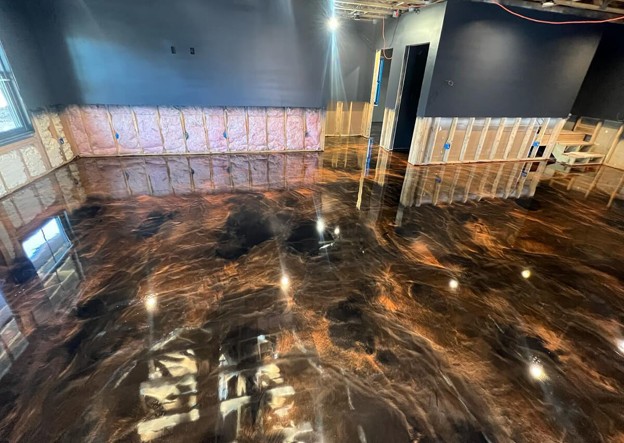
Raw concrete slabs in workshops or garages face constant damage from heavy vehicles and chemical spills. Applying an epoxy floor coating Atlanta treatment seals open concrete pores and creates a hard protective barrier. Epoxy mixtures consist of liquid resin mixed with specific hardeners right before workers pour it onto clean floors. The liquid chemical material cures within twenty-four hours into a non-porous surface that handles heavy equipment weight easily. Cleaning oil leaks or dust becomes simple because fluids sit on top instead of soaking deep inside.
Prepping concrete subfloors properly
Grinding down old concrete surfaces removes residual grease, old paint layers, and loose surface dirt effectively. Mechanical diamond grinders open up tiny concrete pores so fresh liquid epoxy bonds directly into subfloors. Dust particles must be thoroughly vacuumed away because stray debris ruins smooth chemical bonding during application. Patching compounds fill deep cracks or small surface pits before applying primary liquid floor coatings. Subfloor moisture levels must be tested to prevent future bubbling problems under finished resin layers. Careful prep work keeps new resin floors intact for many years under daily usage.
Applying strong resin coats
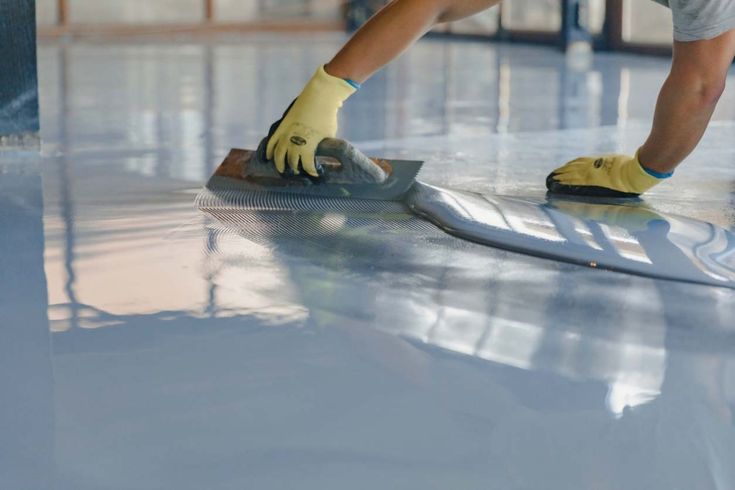
Pouring mixed resin across prepared subfloors requires precise timing before the thick chemical solution begins hardening. Installers use notched squeegees to spread liquid coating evenly across every section of raw concrete. Spiked rollers eliminate trapped air bubbles to ensure a completely smooth finish across the entire workspace. Adding color chips gives visual texture while improving foot traction on smooth high-gloss floor surfaces. Standard epoxy floor coating Atlanta installations handle high daily traffic while resisting harsh chemical leaks smoothly. High-quality topcoats keep underlying decorative layers safe from physical scuffs or sun fading.
Concrete sealing Atlanta basics explained
Applying clear sealants prevents moisture intrusion and stops fine white concrete dust from spreading around rooms continuously. Choosing concrete sealing Atlanta services protects outdoor driveways and indoor storage spaces against severe weather damage. Penetrating sealers soak deep into concrete pores to block water absorption without changing physical surface appearance. Topical sealers form thin protective films that shine brightly under natural sunlight or interior light fixtures. Sealing unpainted concrete slabs extends overall structural life while making routine sweeping tasks much faster. Unsealed concrete breaks down quickly when exposed to frequent freeze cycles or chemical spills.
Simple daily floor care
Maintaining sealed resin or concrete surfaces requires minimal physical effort during weekly cleaning routines around facilities. Sweeping loose dirt with soft brooms prevents tiny abrasive grit particles from scratching glossy top surfaces. Washing floors with neutral pH detergents removes stubborn dirt without stripping away protective sealant coats. Concrete sealing Atlanta applications keep oil stains from penetrating deep into porous cement slabs during daily work. Avoiding harsh acidic cleaners prevents chemical etching that dulls shiny protective top layers over time. Promptly wiping up chemical spills keeps floor surfaces clean, safe, and visually appealing continuously.
Comparing floor coating expenses
Calculating total flooring costs requires looking at initial installation prices alongside long-term maintenance needs. Resin floor coatings require higher upfront investments due to intensive labor steps and specialized material mixing. Simple concrete sealers cost less initially while offering basic moisture protection for residential or light commercial spaces. High-traffic industrial facilities usually choose thick resin systems because thin sealers wear down faster under heavy machinery. Epoxy floor coating Atlanta installations save money over time by reducing frequent structural repairs on bare subfloors. Evaluating expected foot traffic and vehicle movement helps property owners pick the right treatment option.
Selecting suitable protective systems
Choosing between thick epoxy layers and clear surface sealers depends heavily on how you use your space. Heavy manufacturing plants need thick resin coatings to absorb impacts from dropped metal tools or heavy equipment. Storage basements and outdoor patio slabs often only require simple clear sealers to block ambient moisture absorption. Proper installation procedures ensure your selected floor treatment bonds tight without peeling or flaking under daily stress. Consulting local flooring specialists helps clarify chemical resistance ratings and traction needs before starting any work. Customizing your floor system protects underlying concrete while improving overall workspace appearance effortlessly.
Conclusion
Upgrading untreated subfloors with resin layers or clear sealants provides durable protection for residential and commercial spaces alike. Visiting khaysservices.com offers practical guidance regarding professional concrete treatments designed for long-term daily performance and reliability. Proper mechanical surface grinding paired with correct chemical application ensures strong finishes that withstand continuous traffic effortlessly. Simple maintenance routines keep your floors looking clean without needing expensive chemical stripping or continuous restoration projects. Taking time to assess your specific facility requirements helps you select the ideal floor treatment for your building. Reach out to local concrete specialists today to discuss suitable coating solutions for your upcoming project.